CALL NOW & SCHEDULE TODAY
(813) 689-1883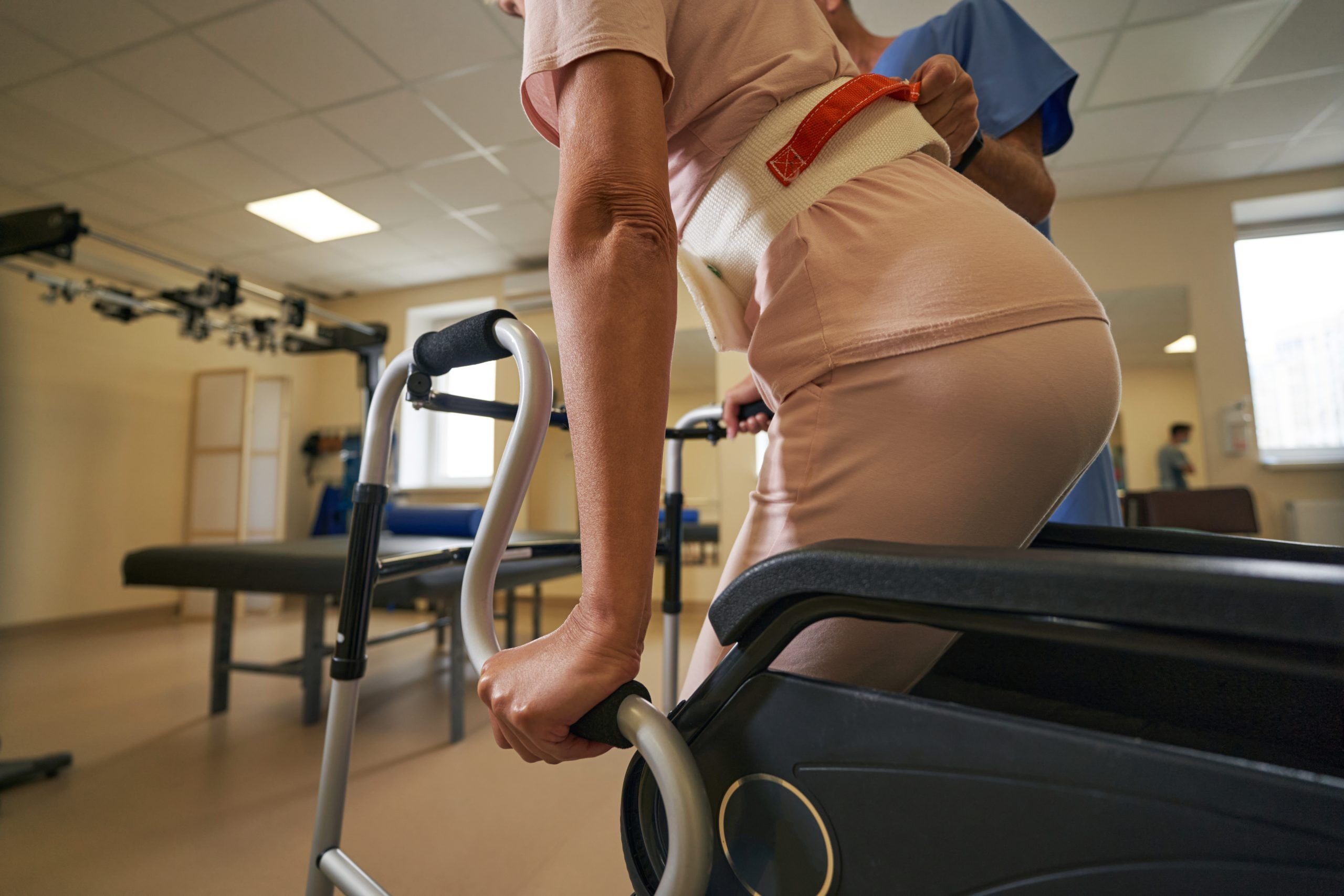
The difference between physical therapy and rehabilitation is a question many people ask after an injury, surgery, or accident. The simple answer is that physical therapy is one type of treatment used during recovery, while rehabilitation is the overall process of helping someone regain function and return to daily life. Depending on your condition, rehabilitation may include physical therapy along with other treatments and medical services. If you're recovering from an injury in Brandon, FL, understanding this distinction can help you choose the right path toward healing.
Whether you've been hurt in a car accident, are recovering from surgery, or are dealing with ongoing pain, knowing what each service offers can make conversations with your healthcare provider much clearer.
Although the terms are often used interchangeably, they describe different parts of the recovery process.
Rehabilitation is the broader plan designed to help someone recover after an illness, injury, or surgery. It focuses on restoring independence, improving function, and helping patients return to their normal routines.
Physical therapy is one treatment that may be included in a rehabilitation program. Its focus is restoring movement, improving strength, reducing pain, and helping patients move more comfortably.
For example, someone recovering from a knee replacement may attend physical therapy sessions several times each week to improve mobility. At the same time, they may also receive medical follow-up care, pain management, and guidance on safely returning to everyday activities. Together, those services make up rehabilitation.
The right treatment depends on the type of injury, how severe it is, and your overall recovery goals.
Rehabilitation is not a single treatment or appointment. Instead, it is a coordinated recovery plan that may involve several healthcare professionals working together.
Someone recovering from a serious injury might work with physicians, physical therapists, occupational therapists, chiropractors, or other specialists throughout the healing process. The exact combination depends on the patient's condition.
Rehabilitation is commonly recommended after:
Some people only need a few weeks of rehabilitation, while others continue treatment for several months.
No two recovery plans are exactly alike.
A younger athlete recovering from a torn ligament will have different goals than an older adult healing after hip replacement surgery. Likewise, someone recovering from a concussion may require different therapies than someone healing from chronic back pain.
Because every injury affects the body differently, healthcare providers create treatment plans based on the patient's individual needs rather than following a standard timeline.
Physical therapy is centered on improving the body's ability to move.
During treatment, therapists evaluate how muscles, joints, and movement patterns are contributing to pain or limited mobility. They then develop exercises and treatment techniques designed to restore normal function.
A physical therapy program may include strengthening exercises, stretching, balance training, manual therapy, and education on posture and body mechanics.
The overall goal is to help patients move with greater comfort while improving strength, flexibility, coordination, and stability. For many orthopedic injuries, physical therapy alone provides everything needed for a successful recovery.
Physical therapy is often recommended for people experiencing:
Starting treatment early often helps patients regain mobility before stiffness and weakness become more difficult to overcome.
Some conditions affect more than just movement. Patients recovering from severe injuries or complex medical conditions often require additional services beyond physical therapy alone.
For example, someone recovering from a stroke may need physical therapy to improve walking, occupational therapy to relearn daily tasks, and speech therapy to improve communication. Working together, these services address every aspect of recovery.
Patients involved in serious auto accidents may also benefit from a broader rehabilitation plan if multiple injuries are affecting different parts of the body.
The purpose of rehabilitation is not simply to reduce pain. It is to help patients safely return to work, family responsibilities, hobbies, and everyday life.
Many patients in Brandon, FL, seek chiropractic care as part of their recovery after an injury.
Chiropractic treatment focuses on improving joint movement, reducing discomfort, and supporting the body's natural healing process. Depending on the diagnosis, chiropractic care may complement physical therapy or other rehabilitation services.
People commonly seek chiropractic care for conditions such as whiplash, back pain, neck pain, joint stiffness, and sports injuries. When healthcare providers communicate and coordinate treatment, patients often receive a more complete approach to recovery.
Several factors help determine whether someone needs physical therapy by itself or a more comprehensive rehabilitation program.
The type of injury is one of the biggest considerations. Minor muscle strains usually require less extensive care than spinal injuries or joint replacement surgery.
Healthcare providers also evaluate:
These factors help create a treatment plan that supports steady, safe progress.
Many people expect recovery to happen quickly, but healing rarely follows a straight line.
Some days bring noticeable improvement, while others feel slower. Staying consistent with appointments, following home exercise recommendations, and communicating with your healthcare provider all contribute to better outcomes.
Small improvements often build into significant progress over time.
No. Physical therapy is one treatment that may be included within a larger rehabilitation program. Rehabilitation can involve several different healthcare services depending on your condition.
For some injuries, physical therapy alone is enough. More serious injuries or medical conditions may require additional rehabilitation services to achieve the best outcome.
Recovery varies widely. Some patients improve within a few weeks, while others continue rehabilitation for several months depending on their injury and overall health.
Many orthopedic surgeries are followed by physical therapy because movement and strengthening exercises help restore function. Your surgeon will recommend the appropriate treatment based on your procedure.
Knowing the difference between physical therapy and rehabilitation makes it easier to understand your treatment options. Physical therapy focuses on restoring movement, strength, and flexibility, while rehabilitation addresses the entire recovery process and may involve multiple healthcare professionals working together.
If you're recovering from an injury, surgery, or chronic pain in Brandon, FL, Brandon Chiropractic can evaluate your condition and help determine the most appropriate treatment plan. Contact our team today to schedule an appointment and begin your recovery with personalized care.


 SOCIAL

