
CALL NOW & SCHEDULE TODAY
(813) 689-1883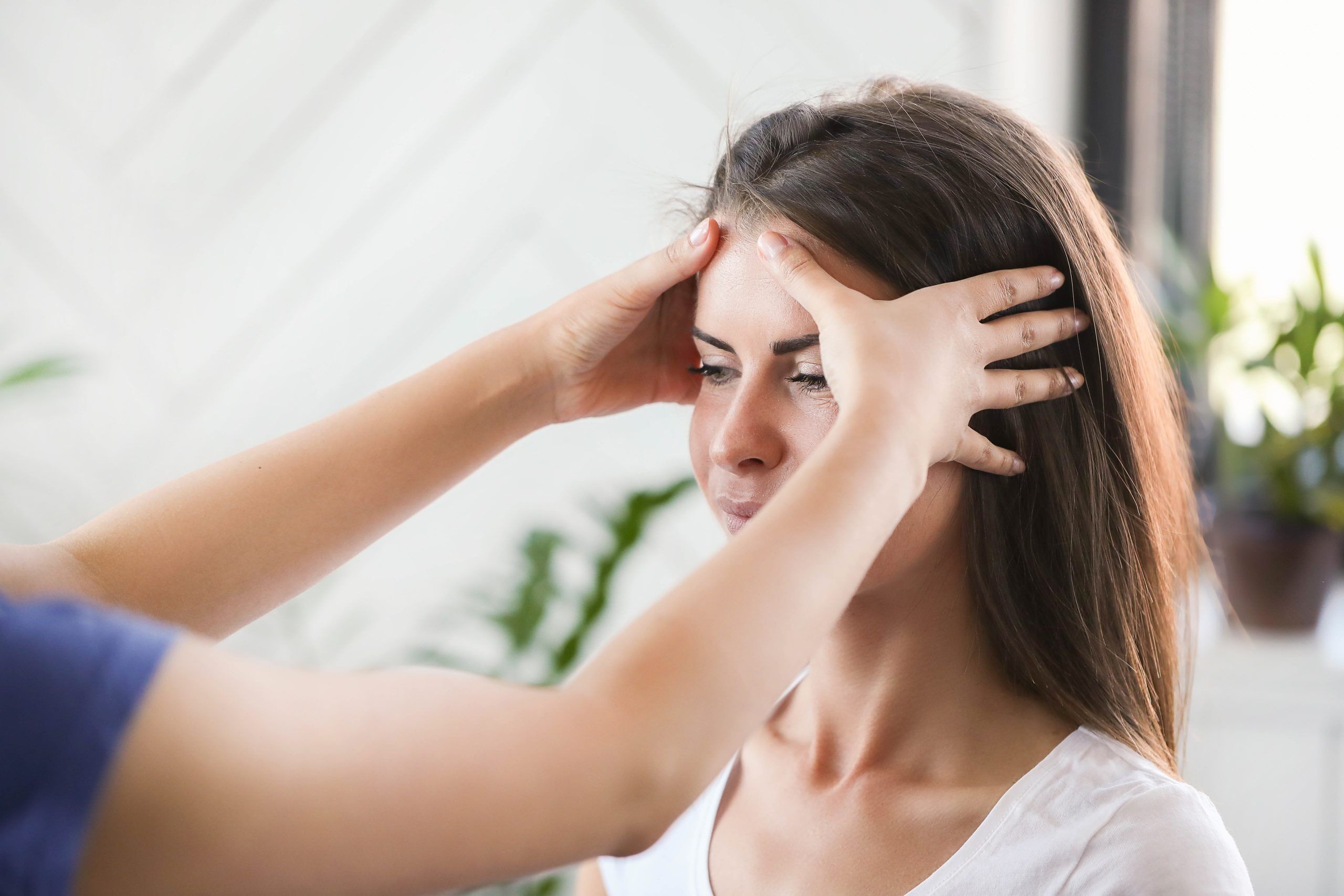
Scoliosis, a sideways curvature of the spine, is widely known for causing back discomfort, uneven posture, and muscular imbalance. But can scoliosis cause headaches? The short answer is yes; in some cases, the structural changes associated with scoliosis can contribute to headaches and tension in the upper neck and shoulders. Understanding the mechanisms behind this connection can help you better address your symptoms and seek appropriate care.
Many people don’t realize that the spine isn’t just about support and posture, it plays a central role in how your nervous system functions and how your body maintains balance. When scoliosis alters that alignment, secondary symptoms such as neck strain, muscle tension, and nerve irritation can contribute to headaches in some individuals.
At Brandon Chiropractic Associates, chiropractors emphasize whole-body alignment as part of a comprehensive approach to musculoskeletal health, including conditions that involve both scoliosis and headache pain.
Scoliosis is a condition characterized by an abnormal sideways curvature of the spine, often shaped like an “S” or “C.” While it commonly develops during adolescence, it can also persist or worsen in adulthood if left untreated.
Because proper spinal alignment is important for posture and nerve function, a significant curvature can lead to compensations throughout the body. These compensations often impact the muscles of the core, back, and neck, and that’s where headaches enter the picture.
Learn how to tell if you have scoliosis here: How to Tell If You Have Scoliosis: Key Signs and Symptoms
Though not everyone with scoliosis develops headaches, several mechanisms can explain why the condition can contribute to headache symptoms in some individuals:
When the spine curves unevenly, the muscles in the neck and upper back may work harder to maintain an upright posture. These muscles, including the trapezius and upper cervical muscles, can become chronically tight and overworked. Tension in these muscles often radiates upward into the base of the skull and temples, contributing to tension-type headaches.
This type of muscle tension is similar to what chiropractors treat with techniques designed to relieve muscular stress and improve mobility, such as spinal adjustments and soft tissue therapies, all part of the comprehensive care offered by Brandon Chiropractic Associates’ headache treatment services.
The upper cervical spine (neck region) connects directly to the skull and houses crucial nerves that communicate with the brain. When scoliosis alters alignment, especially in the neck and upper back, it can compress or irritate nerves that serve this region. Nerve irritation can trigger cervicogenic headaches, a type of headache that originates from problems in the cervical spine rather than in the head itself.
Cervicogenic headaches often feel like a deep pressure around the temples, behind the eyes, or the base of the skull, and they may be accompanied by neck stiffness or reduced mobility - learn more about this in our guide on whether neck pain can cause headaches and the role of cervical spine alignment.
Learn how scoliosis could be related to upper back pain here: Can Scoliosis Cause Pain in the Upper Back?
Poor posture, often seen in individuals with scoliosis, places additional stress on the head, neck, and shoulders. An exaggerated forward head posture, for example, increases the load on neck musculature and cervical joints. Over time, this added mechanical stress can lead to headache pain.
Professional chiropractic care focuses on identifying and correcting postural imbalances through spinal alignment, supportive therapies, and targeted exercises that reduce tension and restore better movement patterns.
There are a few kinds of headaches that scoliosis-related factors may trigger:
These are the most common type of headaches linked to muscular tension. Tension headaches often feel like a band of pressure around the forehead and are associated with tight muscles in the neck and shoulders.
Chiropractic care, including adjustments, posture corrections, and soft tissue therapies, aims to ease this muscular load and reduce the frequency or severity of these headaches.
Cervicogenic headaches originate from dysfunction in the cervical spine. Because scoliosis can affect spinal alignment, even subtly, it may alter the mechanics of the upper neck. This can irritate joints, discs, or nerves in the cervical region, sending pain signals that are felt in the head.
Unlike migraines, cervicogenic headaches often:
Chiropractic evaluation can help determine whether a headache is spine-related and whether structural alignment is playing a role.
While scoliosis does not directly cause migraines, muscular tension and nerve irritation may act as triggers in individuals who are already prone to migraines. Increased tension in the upper back and neck can create an environment where headache episodes become more frequent.
If you experience chronic migraines alongside scoliosis, addressing spinal alignment and posture may help reduce contributing stressors.
If scoliosis is contributing to your headaches, addressing the spinal imbalance is often an important step. Chiropractic care focuses on improving alignment, mobility, and muscular balance, all of which may reduce headache frequency and intensity.
At Brandon Chiropractic Associates, chiropractic headache treatment plans are designed to address both structural and muscular components of pain. Chiropractors assess:
Based on this evaluation, care may include:
Gentle, controlled adjustments help restore joint motion and improve spinal mechanics. Improved alignment can decrease nerve irritation and reduce muscular strain in the neck and upper back.
Tight muscles in the shoulders, upper back, and neck are often treated with hands-on therapies designed to reduce tension and improve circulation.
Because posture plays a major role in headache development, patients often receive recommendations for ergonomic improvements and strengthening exercises.
Specific stretches and strengthening exercises can support spinal stability and reduce muscular overload caused by scoliosis compensation patterns.
Not every headache is related to scoliosis, but if you notice any of the following, it may be worth scheduling an evaluation:
Persistent headaches should always be properly evaluated to rule out other medical causes. However, if spinal tension is a contributing factor, conservative care may offer relief without relying solely on medication.
In adolescents with scoliosis, early management may reduce progression and limit long-term muscular imbalances that could contribute to chronic pain later in life. In adults, addressing postural adaptations and degenerative changes can help manage symptoms and prevent worsening discomfort.
Because the spine functions as a connected system, even a curve in the lower or mid-back can influence how the neck compensates. Over time, that compensation may contribute to muscular fatigue and headache patterns.
Early evaluation can:
While professional care plays an important role, there are also daily habits that can help reduce strain:
Keep your ears aligned over your shoulders when sitting or standing. Avoid prolonged forward head posture while using phones or computers.
A strong core supports spinal alignment and may reduce compensatory tension in the upper back.
Gentle stretches for the neck, shoulders, and thoracic spine can help relieve accumulated tension.
Ensure your screen is at eye level and your chair supports your lower back.
Dehydration can worsen headache frequency, so adequate water intake is essential.
No. Headaches can result from many causes, including stress, dehydration, hormonal changes, and underlying neurological conditions. However, when headaches are consistently accompanied by neck tension or postural imbalance, spinal involvement should be considered.
A thorough examination can help determine whether your headaches are:
This distinction is important because treatment approaches differ depending on the underlying cause.
So, can scoliosis cause headaches? In many cases, yes, particularly when spinal curvature leads to muscular tension, cervical misalignment, or nerve irritation. While not everyone with scoliosis experiences headaches, the structural and postural changes associated with the condition can create stress patterns that radiate upward into the head.
The good news is that conservative care options exist. By improving spinal alignment, reducing muscular strain, and correcting posture, many patients experience meaningful relief from headache symptoms tied to spinal dysfunction.
Related: Can Scoliosis Cause Hip Pain? Learn the Spine and Hip Connection


 SOCIAL

